Breeding Ecology Under Environmental Change
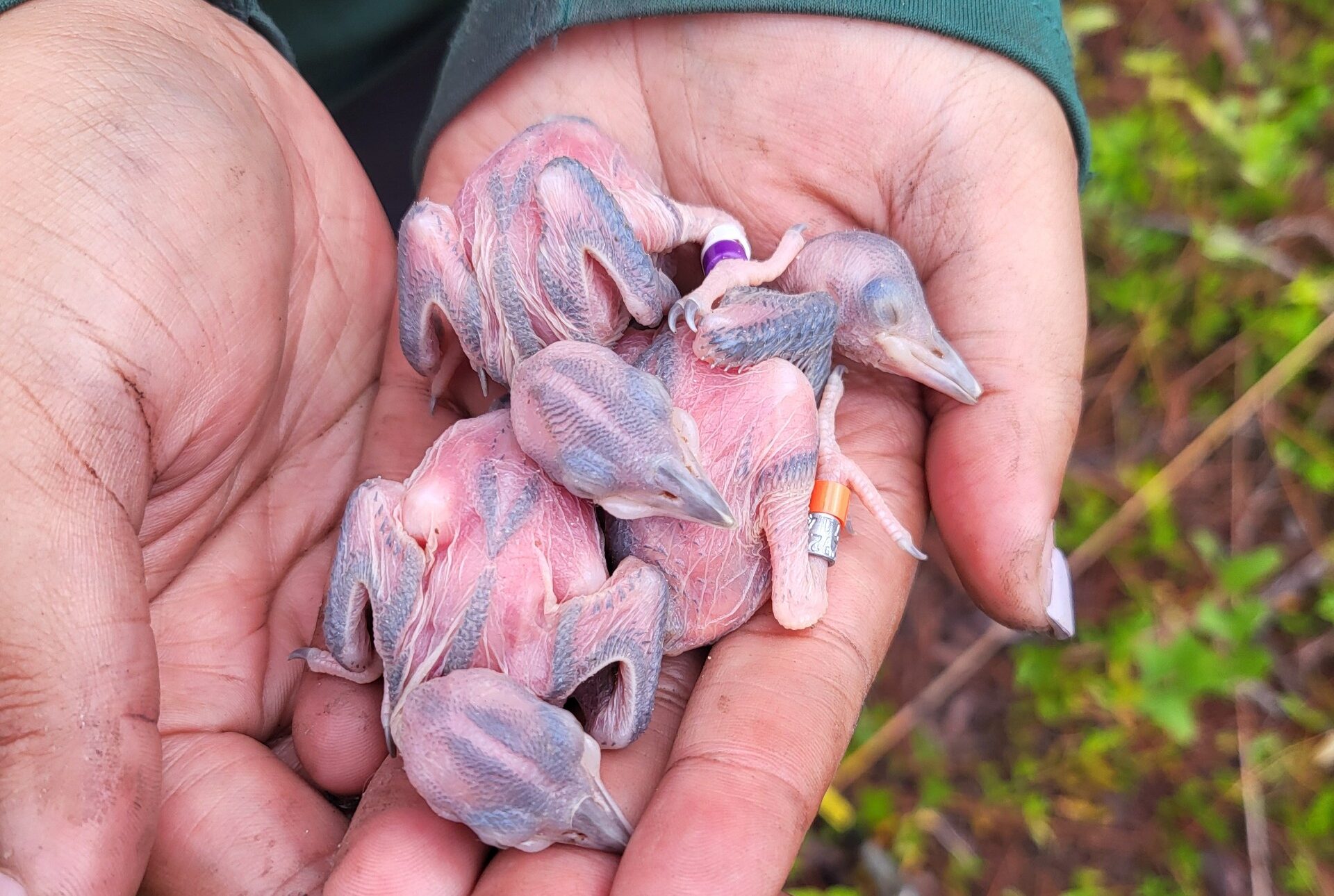
Cooperatively breeding birds—species where family members and even unrelated individuals help raise young—reveal how teamwork in nature shapes survival and reproduction.
I study how environmental change and social structure influence reproductive success, focusing on the red-cockaded woodpecker (Dryobates borealis) to understand how social behavior and shifting conditions affect conservation outcomes.
Publications on my findings are coming soon. In the meantime, feel free to view my dissertation defense
(October 2025, fast-forward to around 36:11) read my final ETD or view a list of research media publications summarizing this work in the meantime.
Behavior, Social Dynamics, and Reproduction in Blue-breasted Quail
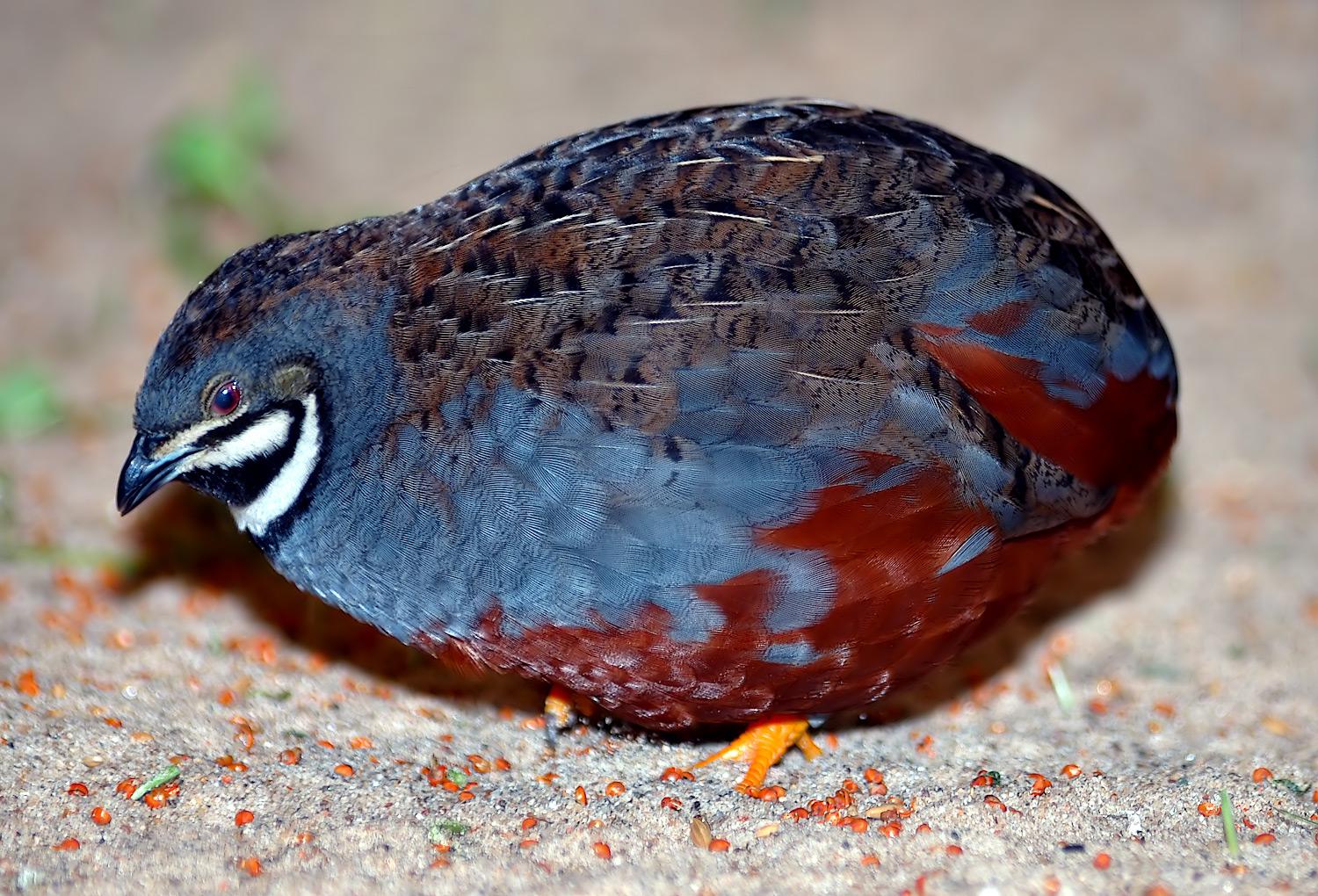
Blue-breasted Quail (Synoicus chinensis) offer an exciting system for exploring how behavior, social interactions, and environmental conditions come together to shape reproductive success.
My planned research will use captive Blue-breasted Quail to investigate the behavioral, social, and environmental factors that influence reproduction. Initial work will focus on identifying predictors of early reproductive success, including variation in individual behavior, social dynamics, and reproductive traits. Over time, this research will provide opportunities to explore broader questions about mate interactions, reproductive decision-making, and the conditions that allow birds to successfully breed and raise young.
This research program is currently in development, with studies planned to begin at Wingate University.
Community Landscapes for Birds
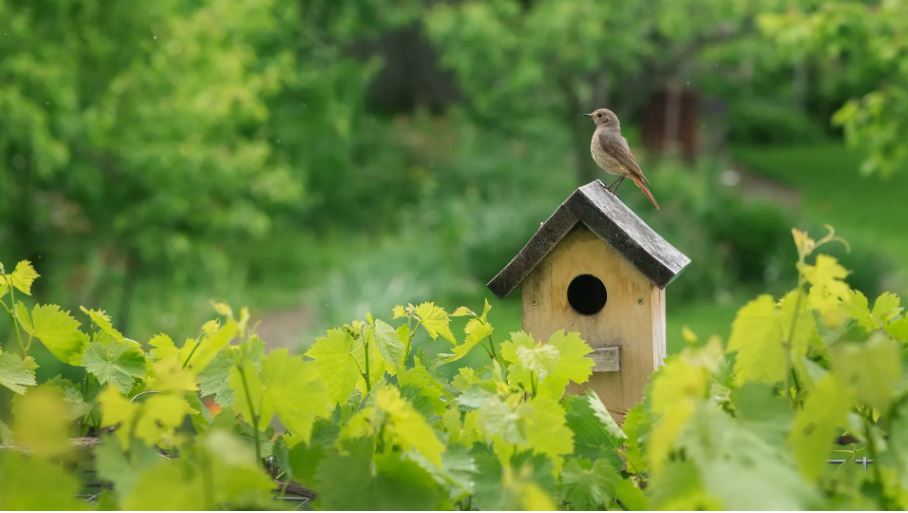
Community-managed landscapes—from gardens and farms to educational and other shared green spaces—can provide important habitat for wildlife while connecting people with the natural world. But how well do these landscapes actually support birds throughout their breeding cycle?
Through Community Landscapes for Birds, I am developing a community-engaged research program that investigates how landscape characteristics, vegetation, human activity, and management practices influence habitat use and reproductive success in native cavity-nesting birds, including Eastern Bluebirds, Carolina Chickadees, Tufted Titmice, and House Wrens.
By pairing ecological research with undergraduate education and community participation, this work will explore how the places people create and manage can also become meaningful spaces for bird conservation. Ultimately, the project aims to identify practical ways communities can manage shared landscapes to better support breeding birds while creating opportunities for people to participate directly in local conservation.
This research program is currently in development, with field studies and community partnerships planned through Wingate University.