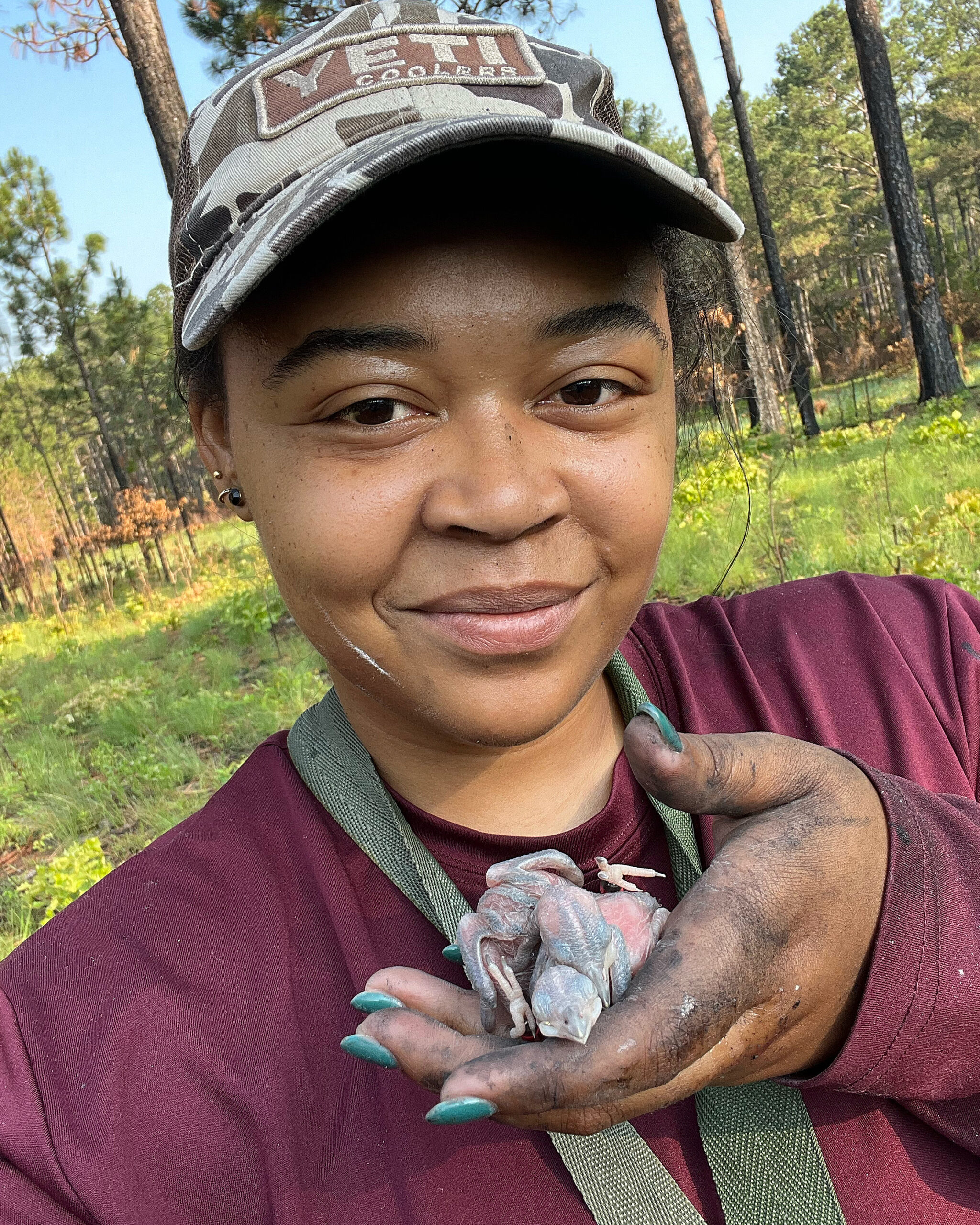
ABOUT LAUREN
Dr. Lauren D. Pharr is an avian behavioral ecologist and assistant professor of biology at Wingate University whose work sits at the intersection of bird behavior, conservation, and inclusion in the outdoors. She holds a Ph.D. in Fisheries, Wildlife, and Conservation Biology from North Carolina State University and co-founded Field Inclusive, a nonprofit that supports marginalized voices in fieldwork and nature. An award-winning science communicator, her writing has appeared in National Geographic, WIRED, PBS SciNC, and The Nature Conservancy’s Cool Green Science blog. Her leadership and outreach have earned multiple honors, including the 2023 Governor’s Conservation Achievement Award for Young Conservationist of the Year from the North Carolina Wildlife Federation, one of the state's highest honors in the wildlife field.


Research
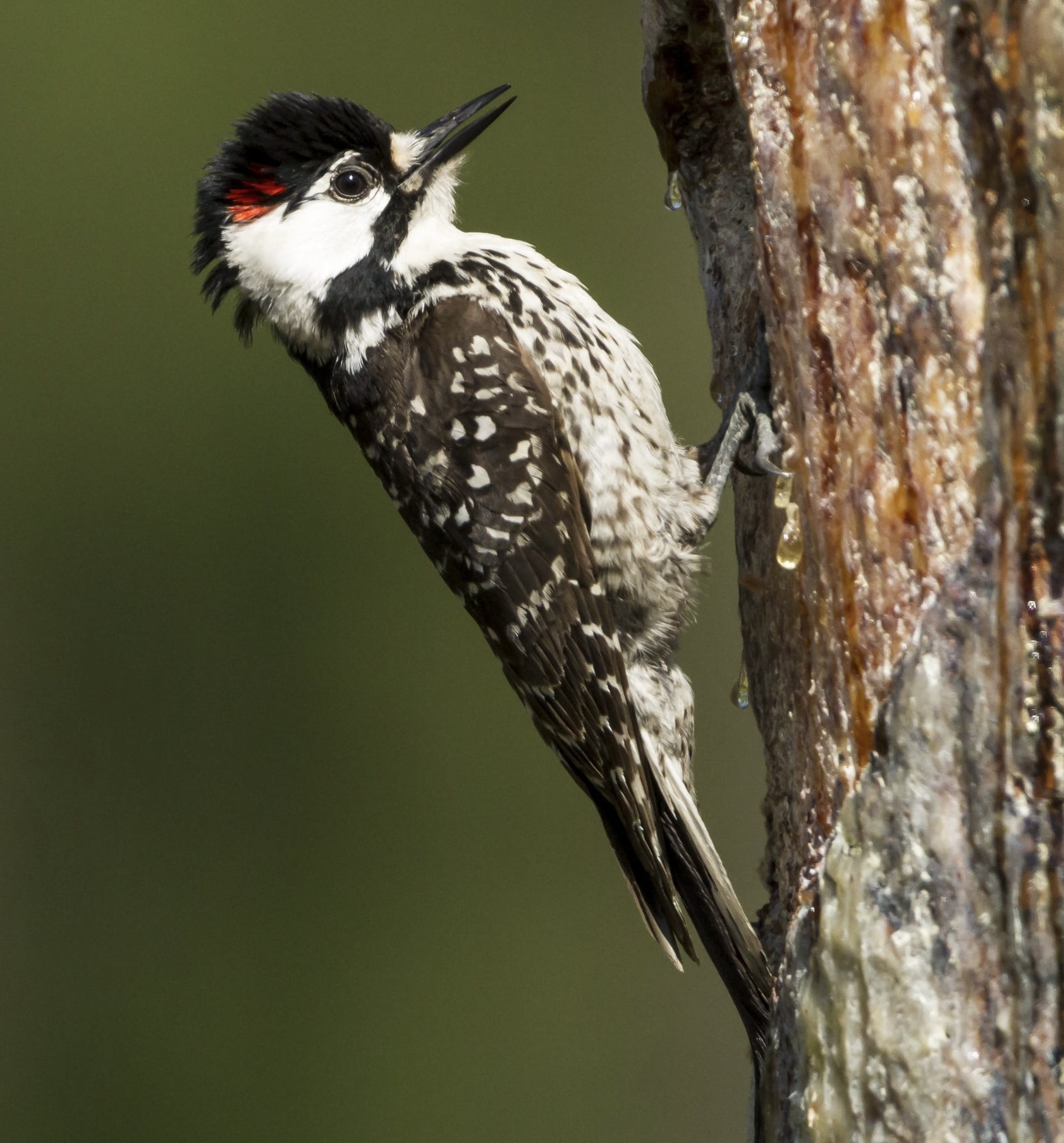
My research investigates how behavior, social interactions, and environmental conditions shape avian reproduction and conservation. By integrating long-term field studies, experimental research, and community-based ecological restoration, my work advances behavioral ecology, conservation science, and meaningful undergraduate research experiences.
Learn More
Outreach
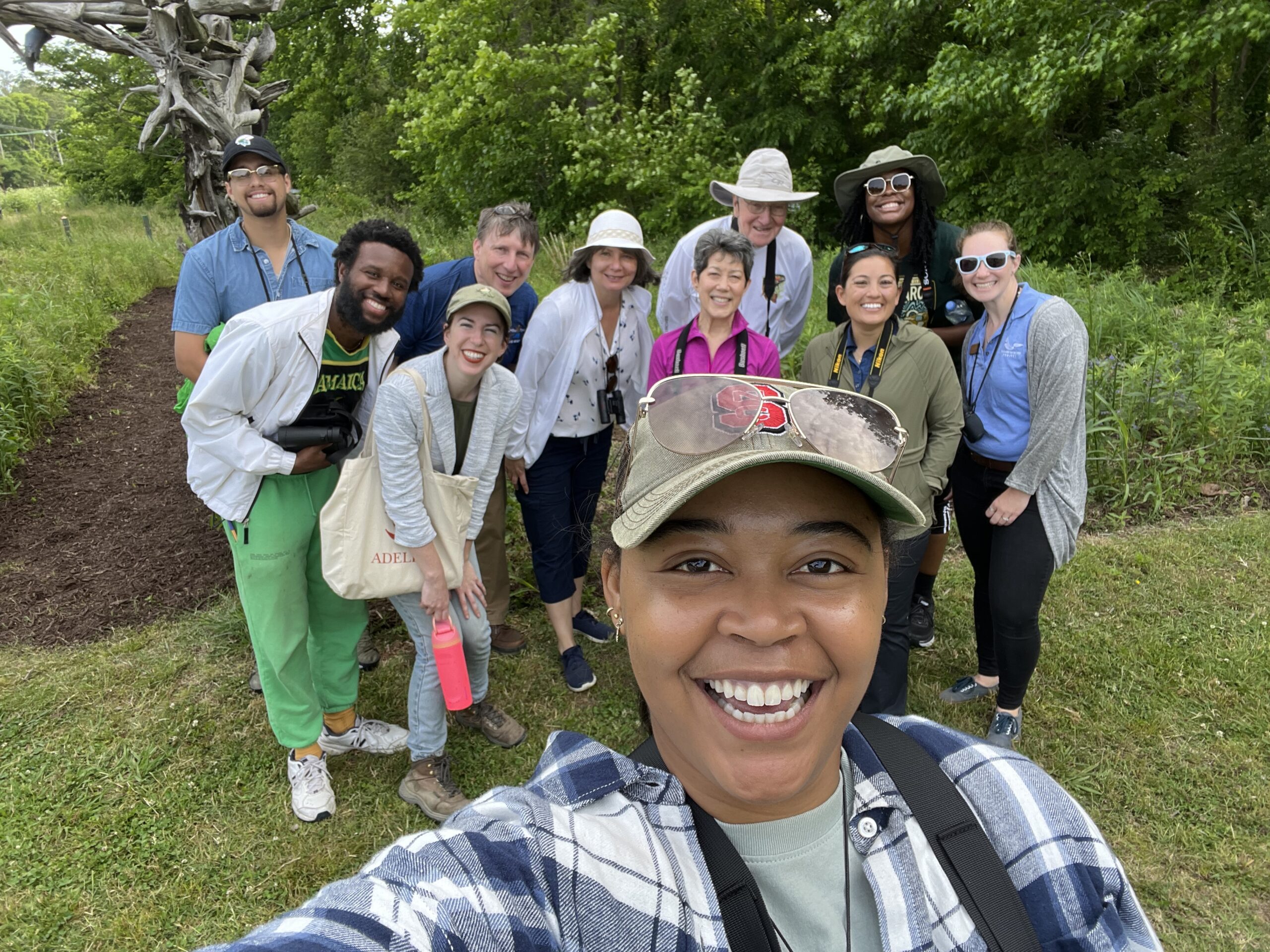
My outreach focuses on making ornithology and conservation accessible to all communities through storytelling, education, and inclusive engagement.
Learn More
Inclusion
My upcoming book, Inclusive Nature explores equity, access, and belonging in the natural sciences and outdoor spaces—bringing together stories, research, and lived experiences to imagine a more inclusive future for the field.
Learn More